


In North America, due to the cold weather, heating periods are usually long, averaging about 100 days, which accounts for one-third of the year. In some special regions, heating may extend to half the year or even longer. Therefore, for some households, the heating system needs to operate efficiently during this time.
According to relevant data, the common heating methods for North American homes include:
- Central Heating Systems: These use gas, oil, or electric boilers to deliver hot water or steam through pipes to various rooms. This is the most common heating method.
- Electric Heating: Utilizing electric heaters or cables, this method is suitable for smaller areas and allows for flexible installation.
- Fireplaces and Wood Stoves: These provide traditional heating by using wood, coal, or other fuels, typically serving as supplementary heating.
- Underfloor Heating: This method heats rooms through pipes or cables installed beneath the floor, providing comfortable radiant heat, ideal for new builds or renovation projects.
Among these, the central heating method using gas, oil, or electric boilers to circulate hot water or steam is the most prevalent. This convenient and safe method of heating water for distribution has become the primary choice for many households.
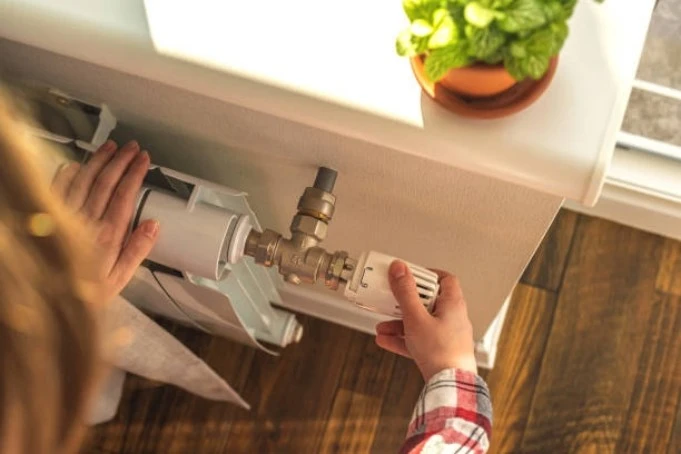
Of course, this heating method also presents a significant issue: the accumulation of scale in the water supply system. Since heating is achieved by conducting hot water, scale formation is more likely to occur during the heating process. Statistics show that about 85% of regions in the U.S. face varying degrees of hard water issues, which contain high levels of calcium and magnesium ions. As these water sources are continuously circulated through heating equipment, the rate of scale formation significantly increases. If the calcium and magnesium ions in hard water are not effectively controlled, scale problems will ultimately have a serious impact on the operation of the heating system.
Impact of Scale on Heating Pipes:
- Reduces the internal diameter of heating pipes, leading to blockages.
- Decreases thermal transfer efficiency, resulting in increased energy loss and reduced efficiency.
- Causes equipment damage and other issues.
Addressing these problems is the focus of this article. You can install our ScaleDp Scale Prevention and Descaling Device at the hot water outlet of your heating system. As water flows through the ScaleDp device, it begins to work, inhibiting the bonding of calcium and magnesium ions in hard water, thereby preventing scale formation.
- The ScaleDp device is very easy to install; its pipe design simply requires installation at the hot water outlet of the whole-house heating system.
- It boasts a descaling efficiency of up to 87%.
- It requires no electricity and is non-magnetic, ensuring maintenance-free operation after installation.
- It begins working as soon as hot water flows through, with no electrical power needed.


