


A UVC LED water treatment system involves more than changing the light source. Once UV LED became part of our integrated system development, we also had to consider how the equipment should respond to water use, how its operating status should be communicated, how maintenance should be planned, and which components should be replaceable.
These were not entirely new concerns. Our earlier integrated UV systems had already shown us the importance of pretreatment, equipment protection, maintenance reminders, and the experience of the person looking after the system. UV LED gave us an opportunity to revisit those same needs through a different product configuration.
In Part One, Why We Developed Integrated UV Water Treatment Systems, we explained how customer questions led us from standalone UV disinfection equipment toward systems combining pretreatment, UV disinfection, protection, and maintenance support.
Here, we continue that story by looking at the next set of questions: how on-demand UV LED operation could be incorporated into the system, how customers could understand its indicated status, how servicing could be simplified through a replaceable module, and how the complete system could be configured for its installation environment.
Why we explored another light-source option
As UV LED technology developed, customers began asking more questions about its use in water disinfection. Our team received growing inquiries from customers in European and North American markets.
Two characteristics featured in those conversations: a mercury-free light source and the ability to support on-demand operation. These gave customers additional reasons to consider UV LED when discussing their projects.
We already had UV LED products in our range. The next question was whether we could integrate that experience into a water treatment system combining pretreatment and UV disinfection.
This was an extension of our product offering. Conventional UV lamp products continued to have a place in the range, while UV LED opened another direction for system development. The appropriate discussion with a customer remained about the requirements of their application and the available equipment configurations.
Considering how the light source fits the system
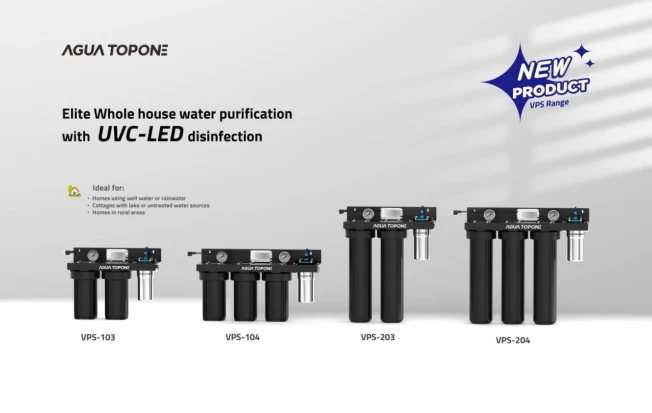
Our GPS series marked an important step in bringing UV LED into our integrated water treatment systems. For our team, this meant reconsidering how the UV equipment fitted into the wider assembly.
That thinking carried through to the operating experience. With any integrated product, the customer encounters a complete system: its controls, its indicators, its service parts, and its physical layout. The value of a new light-source option therefore also depends on how clearly those elements support everyday use.
For UV LED, on-demand operation was one of the features attracting customer interest. Discussing it properly requires looking at the operating controls of the specific product and the customer's water-use pattern. The light source creates an opportunity; the system configuration determines how that opportunity is implemented.
A continuing concern was that customers still wanted to know where the equipment could be installed, how it would be protected, and whether maintenance would be convenient. Those questions helped guide the VPS system design.
Giving customers useful status information
With an enclosed UV LED module, customers cannot simply look at the light source to determine what it is doing. Customers asked whether the module was operating and when it would need maintenance.
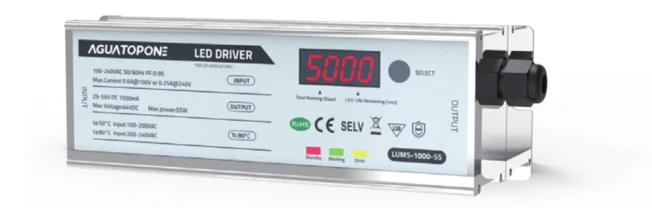
We addressed this through a UV LED driver with a visible display, providing information to help customers understand the equipment's indicated status and maintenance timing.
This information needs to be clear enough to use. At installation, customers should be shown what the displayed indicators mean and what action to take when a maintenance reminder appears. That explanation helps connect the equipment's electronics with a practical service routine.
UV LED driver
It is also important to describe the display accurately. Operating indications and a maintenance countdown serve particular functions; they should not be presented as direct confirmation of treated-water quality. For a customer, knowing exactly what an indicator communicates is more useful than a broad promise about system monitoring.
Designing around a replaceable UV LED module
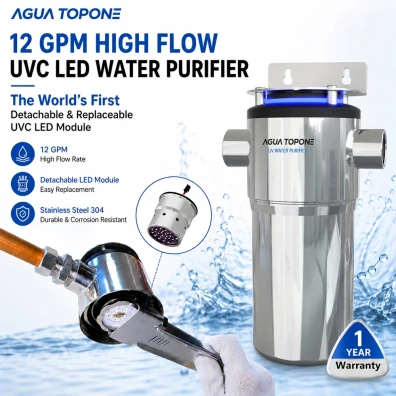
One of the most practical design choices was a replaceable UV LED module. When module replacement is required, this design allows the relevant component to be changed without replacing the entire UV LED disinfection unit.
That choice affects how customers can plan servicing. It gives the module a defined role as a replacement part and provides a clearer starting point for discussions about compatible spares and the replacement procedure.
For distributors and installers, the same feature is relevant when organizing after-sales support. They can discuss which part a customer may need, how to identify the correct module, and how replacement should be carried out according to the product instructions.
Our reason for emphasizing replaceability was straightforward: maintenance should not involve replacing more equipment than the task requires. Our aim was to reduce the scope and cost of later replacement. The actual expense will depend on the part and service arrangements, but the design makes component replacement possible.
Matching equipment protection to the location
Changing the light source does not remove the importance of installation conditions. Customers still need to consider dust, splashes, sunlight, and other exposure at the proposed location.
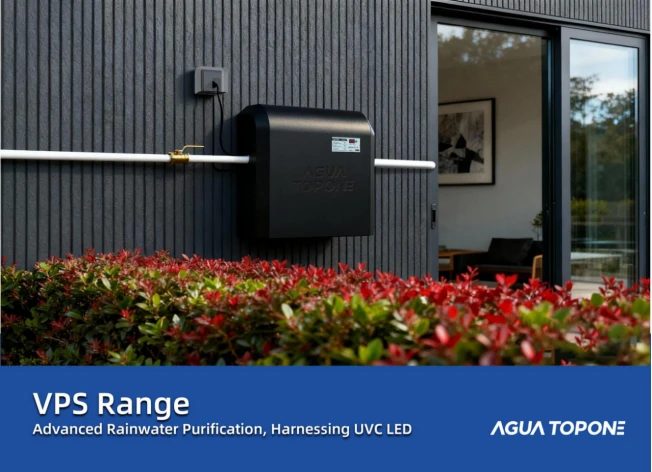
For the VPS series, we offer an optional aluminum-alloy cover in response to these concerns. Filter housings and electronic components need particular attention when equipment is installed in more demanding surroundings.
The cover gives customers an additional configuration choice. Its purpose should be considered together with the installation requirements of the complete system. Selecting a cover does not, by itself, establish that every outdoor location or exposure condition is suitable.
This is why we encourage customers to describe the proposed installation area early. Whether the system will be sheltered, what exposure it may face, and how service personnel will reach it are useful questions to resolve before choosing a configuration.
Bringing operation and servicing into the purchase decision
For a buyer comparing UVC LED systems, product selection can begin with the intended application and then extend to everyday use. Our experience points to several useful questions for that discussion.
How will the system respond to water use? What operating and maintenance information does the driver provide? Which components can be replaced? What protection does the installation environment call for? Who will handle routine service and obtain compatible parts?
These questions help connect a product specification with the people who will install, operate, and maintain the equipment. They are particularly useful for distributors building a supported product range and installers who will remain their customer's first point of contact after commissioning.
They also reflect the way customer feedback has informed our product development. Each product decision responds to something that matters in use, from recognizing a maintenance reminder to replacing a module or selecting a protective cover.
Continuing to develop around the customer
Our UVC LED system range grew from both an additional technology option and continued customer feedback. Interest in mercury-free, on-demand operation encouraged us to explore integration. Questions about status, maintenance, and installation protection shaped how we developed the surrounding product.
For us, these are connected parts of water treatment equipment design. A customer needs a system suited to the application, together with a clear understanding of how it should be used and supported over time.
If you are evaluating an integrated UVC LED water treatment system, share your intended application, flow requirements, installation environment, and servicing expectations with our team. We can use that information to discuss the relevant configurations and maintenance arrangements for your project.


